
Get paid to refer your friends!
ALA helps with the development of testing protocols and the administration of health and safety program at swimming pools, waterparks, and beaches. ALA emphasizes public awareness of responsibility in aquatic environmental issues to protect the world we live in. It has worked diligently on environmental issues to help keep our beaches and waterways cleaner for our future generations.
The skills taught in our national program reflects ECC science and findings from the United States Lifeguard Standards Coalition Report. With our training program, you will not have to wait for a group class.
Our training programs can be taken anywhere, and are utilized by individuals, schools, universities and community pools both here in the United States and abroad. The American Lifeguard Association is one of only a few national certifying agencies for lifeguards. The U.S. Department of Labor has determined that the American Lifeguard Association offers lifeguard certification programs similar to those provided by the American Red Cross.
ALA adheres to a code of ethics and makes a commitment to deliver high-quality health and safety training. We are diligent in ensuring that program content and guidelines are safe and meet national standards. The purpose of the ALA training program is to teach candidates the knowledge and skills needed to help prevent and respond to aquatic emergencies.
We are a prominent leader in the Lifeguarding profession here in the USA, and overseas.
It is the mission of the American Lifeguard Association is to
Iimprove the quality and accessibility of Health & Safety program
to the public.
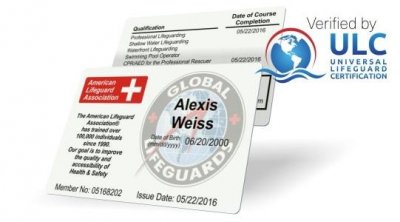
ULC allows lifeguards to manage all their professional credentials online. All professional records can be viewed, printed on demand and managed in order to help ensure on time renewal. ULC also offers a validation service for certifications from all agencies including the American Lifeguard Association, the American Heart Association, the American Medical Association, the National Safety Council, and many other national certifying agencies.
We offer comprehensive training that equips
participants with the knowledge, skills, and
certifications needed to succeed.
Lifeguarding ensures safety through training, certifications, and emergency preparedness.
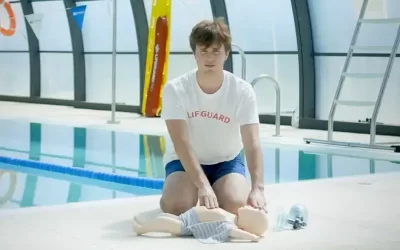
The lifeguard trainee will learn swim and rescue skills, from the proper ways to enter the water in an emergency to safely retrieving someone from the bottom of the pool. Whether a person is on the job or swimming with friends, lifeguard swim and rescue skills are important skills to possess.
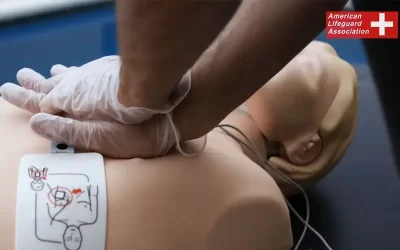
The lifeguard training program includes CPR and AED training, to assist the victim in a cardiac emergency. Cardiac emergencies are severe and life-threatening wherever and whenever they occur, so a person’s lifeguard training will prepare him/her to potentially save lives – whether they are at the pool, home or work.
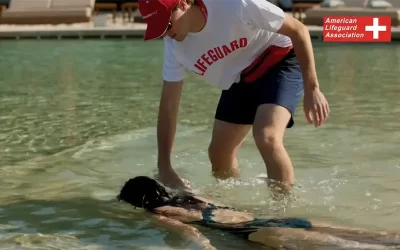
The Water Safety trainee will learn swim and rescue skills, from the proper ways to enter the water in an emergency to safely retrieving someone from the bottom of the pool. Whether a person is on the job or swimming with friends, lifeguard swim and rescue skills are important skills to possess.
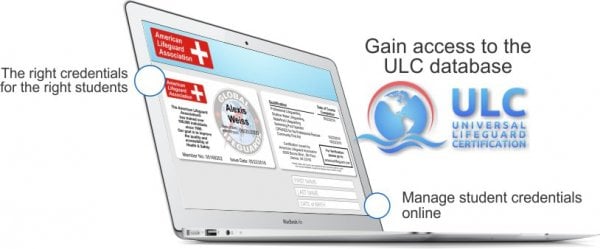
The American Lifeguard Association has access the ULC system to update the training records of all our students. Professional Lifeguard Instructors have access to enhanced services, allowing them to use the ULC database to manage their classes and their training activity.
The ULC system, which is endorsed by the American Lifeguard Association, was designed with instructors in mind, to make it easy for industry professionals to use best-of-breed practices in their daily activity.
Now instructors with the American Lifeguard Association and other recognized aquatics program can easily manage on one site the credentials of all students who have completed their lifeguarding courses using simple ID badges.
The American Lifeguard Association (ALA) has been offering training for over 30 years. It is a national educational association that has the full support of both the Swimming Pool and Spa Association and Global Lifeguards, a nonprofit 501(c)(3) organization. These organizations are all members of the Global Lifeguard Association, which make up one of the largest worldwide aquatic consortiums and have certified over 250,000 individuals, and saved countless lives over past quarter of a century. The American Lifeguard Association helps with the development of testing protocols and the administration of health and safety programs at swimming pools, waterparks, waterfronts, and beaches.
The American Lifeguard and Safety Training is a critical service with the support of employers and government agencies. The certification program of the American Lifeguard Association meets OSHA requirements for health and safety training and regulatory, licensing, and accreditation requirements. Our program’s skills reflect ECC science and findings from the United States Lifeguard Standards Coalition Report. The American Lifeguard Association has been listed over the years with the CDC Healthy Swimming website. In addition, the U.S. Department of Labor and the General Service Administration (GSA) has determined that the American Lifeguard Association offers lifeguard certification programs similar to those provided by the American Red Cross.
The American Lifeguard Association emphasizes public awareness of governmental and personal responsibility in aquatic environmental issues to protect the world we live in. It has worked diligently on environmental issues to help keep our beaches and waterways cleaner for future generations. Over the years, it has promoted the Think Blue Too movement, which has positively impacted the appearance and well-being of our aquatic environments.
The American Lifeguard Association promotes the safe and enjoyable use of aquatic environments through public services announcements and national news media interviews. The Association’s opinion and viewpoints have been aired numerous times over the decades, on network shows such as NBC Today Show, Good Morning America, Doctors, and Weather Channel. It has also worked with all the national news networks such as ABC, CBS, FOX, and NBC.
In addition, its advice and positions have been quoted in publications such as Good Housekeeping, Cosmopolitan, and Self Magazine, along with newspapers such as the Guardian, New York Times, Wall Street Journal, and the Washington Post on aquatic safety and environmental concerns
The American Lifeguard Association adheres to a code of ethics and makes a commitment to deliver high-quality health and safety training and testing. Our program-development process draws on the talent and experiences our leaders and educators have as recognized experts in the lifeguard profession, along with outside consultants from various national health and safety organizations, infused with diligent research, to ensure that the program content and guidelines used in our programs are safe and meet current national standards. The purpose of the ALA training program is to teach candidates the knowledge and skills needed to help prevent and respond to aquatic emergencies. As with all certifications, employer should ensure that each lifeguard candidate has all the skills necessary for the position for which he or she is being considered.
To obtain further information on the national training programs we offer and to enroll, we ask that you to select “Courses Offered,” which is an option at the top left of our home page. If you have questions, we ask that you email us through our Contact Us form.