
Water activities are among the most popular recreational pursuits around the world, offering opportunities for enjoyment, relaxation, and exercise. Whether swimming at the beach, relaxing by the pool, or participating in water sports, aquatic activities offer something for everyone. However, with the thrill of water comes the responsibility of ensuring that all activities are conducted in a safe and secure manner. This is where aquatics and water safety come into play.
Aquatics and water safety involve a comprehensive approach to managing risks and promoting safety in aquatic environments. These measures are crucial to preventing accidents and ensuring that everyone can enjoy water activities without fear of harm. In this article, we will explore what aquatics and water safety encompass, why they are important, and how lifeguards, facilities, and individuals can contribute to a safer aquatic environment.
The Importance of Aquatics and Water Safety
Water-based activities involve inherent risks due to the unpredictable nature of aquatic environments. Drowning remains a leading cause of unintentional injury and death worldwide, particularly among children and young adults. According to the World Health Organization (WHO), an estimated 320,000 people die from drowning each year. In the United States, drowning ranks as the leading cause of unintentional injury death for children aged 1-4 years. As a result, the importance of aquatics and water safety cannot be overstated.
Proper water safety measures not only prevent drownings but also reduce the risk of other injuries, such as slips, falls, dehydration, sunburn, and waterborne diseases. For these reasons, both individuals and organizations need to understand and adhere to safety protocols when involved in any form of aquatic activity.
Key Principles of Water Safety
The foundation of water safety is built upon a series of principles that guide both lifeguards and individuals participating in water activities. These principles include:
Lifeguard Training and Certification for Aquatic Safety
Lifeguards play a critical role in ensuring aquatics and water safety in various settings such as pools, beaches, lakes, and water parks. Their primary responsibility is to prevent accidents by maintaining constant surveillance of the water and responding swiftly in emergencies. To be effective in this role, lifeguards must undergo comprehensive training and certification.
The American Lifeguard Association (ALA) offers one of the leading lifeguard certification programs, which equips individuals with the necessary skills to handle aquatic emergencies and ensure the safety of swimmers. The certification program includes both theoretical and practical training, covering topics such as water rescue techniques, CPR, First Aid, and AED usage. ALA’s lifeguard certification course is designed to meet national safety standards and prepares lifeguards to handle a variety of situations—from minor injuries to life-threatening emergencies.
In addition to the basic lifeguard training, lifeguards are often required to complete regular recertification courses to keep their skills up to date. These recertification courses ensure that lifeguards maintain proficiency in their rescue techniques, CPR, AED, and first aid skills, which are vital in the event of an emergency.
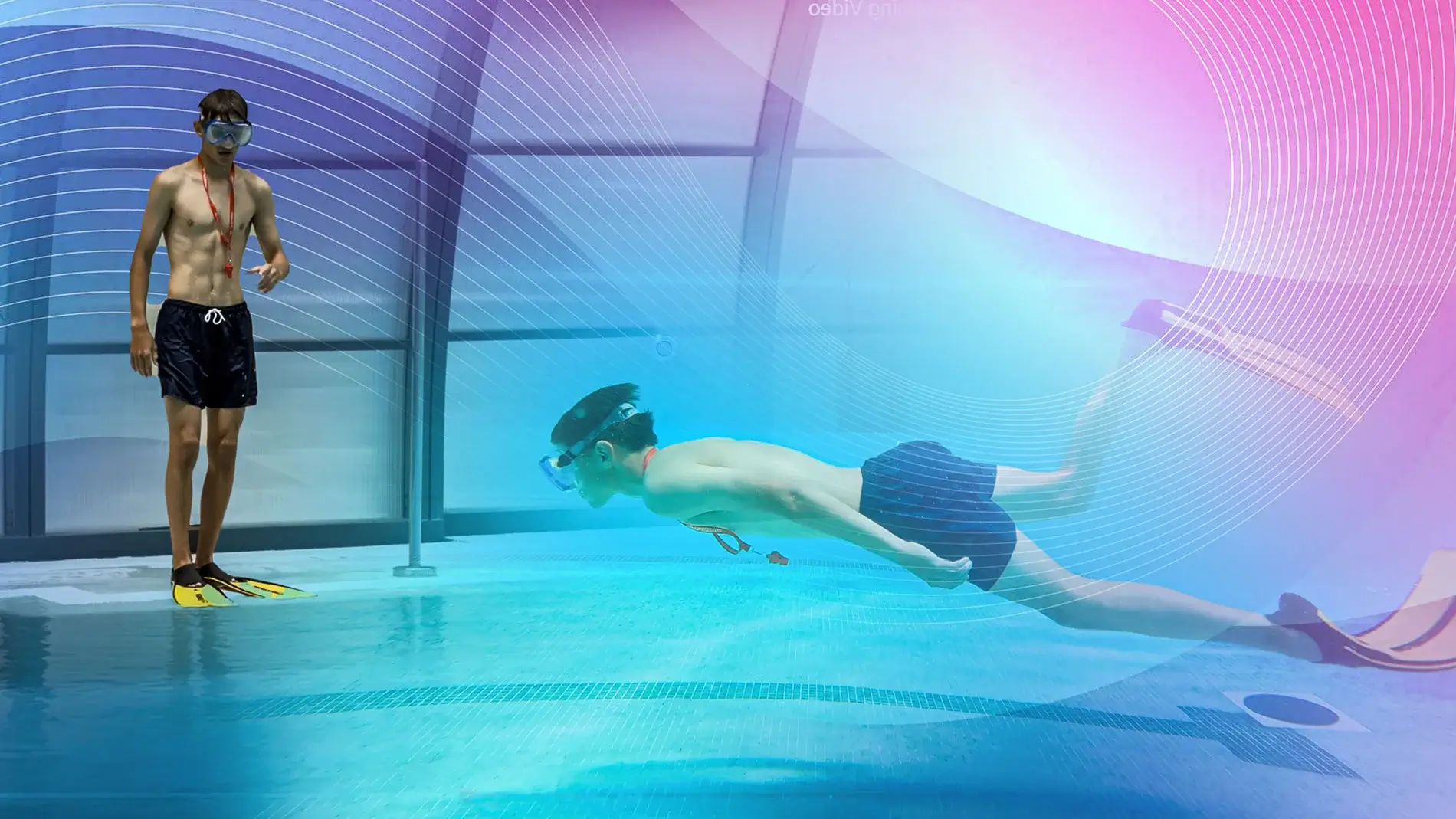
Aquatics and Water Safety Guidelines for Pools
Pools, whether public or private, are some of the most common environments where people engage in water activities. While pools generally have fewer risks than open water environments like lakes or the ocean, safety measures are still crucial to minimize hazards. Some of the most important pool safety guidelines include:
Water Safety at Beaches and Open Water
Beaches and open water environments pose unique safety challenges due to their unpredictable nature. The risks associated with beaches include rip currents, sudden weather changes, and water temperature fluctuations. Therefore, it’s essential for both swimmers and lifeguards to be aware of these hazards.
Conclusion: Promoting Aquatics and Water Safety
Aquatics and water safety are essential aspects of ensuring that water-related activities remain enjoyable and risk-free. Whether in a pool, at the beach, or on a boat, adhering to safety protocols and remaining vigilant can prevent tragedies and create a safer, more enjoyable experience for everyone.
The role of lifeguards, aquatic managers, and individuals in ensuring safety cannot be underestimated. By undergoing proper training, maintaining awareness of water hazards, and committing to safety protocols, we can make water activities safer for all participants. Aquatics and water safety are everyone’s responsibility. With the right knowledge and tools, we can all help reduce drowning incidents and injuries while enjoying the water.
The American Lifeguard Association (ALA) remains dedicated to improving water safety education through comprehensive lifeguard certification programs, public awareness initiatives, and partnerships with other safety organizations. Through continued education and proactive measures, we can ensure that water activities remain both fun and safe for generations to come.