







Lifeguarding is a rewarding and critical profession that requires individuals to be prepared for a wide range of emergencies. The American Lifeguard Association’s lifeguard classes offer comprehensive training that equips participants with the knowledge, skills, and certifications needed to succeed in this vital role.
Lifeguard Training and Certification with the American Lifeguard Association
The American Lifeguard Association (ALA) is a nationally recognized leader in lifeguard training and certification, offering comprehensive programs designed to meet federal and national standards. By aligning with the CDC Model Aquatic Health Code (MAHC) requirements, ALA ensures its courses prepare participants to excel in their roles as safety professionals in aquatic environments.
Comprehensive Training with a Blended Learning Model
The ALA’s program offers a comprehensive video instructor-led course delivered through a blended learning approach . This format provides participants the flexibility to complete the majority of the online training at their own pace. The program covers essential topics, including lifeguarding techniques, CPR/AED, and first aid, ensuring participants acquire the foundational knowledge required for certification.
Upon successful completion, participants will earn a two-year certification in lifeguarding, CPR/AED, and first aid. Certification records are securely stored in the National Verification System , allowing employers and health departments nationwide to easily verify credentials.
Federal and National Standards Compliance
Under the Fair Labor Standards Act, the US Department of Labor, as the federal Authority Having Jurisdiction (AHJ) , recognizes the American Lifeguard Association as meeting national standards for lifeguard training and certification. As part of a select group of national training entities recognized by the US Government, the ALA’s program fulfills national requirements for lifeguard certification in all 50 states, the District of Columbia, and US territories.
This recognition underscores the program’s adherence to national benchmarks, ensuring participants are equipped with the knowledge and skills needed to respond effectively to aquatic emergencies.
Prerequisites for Enrollment
Before enrolling in the ALA’s lifeguard certification classes, participants must meet certain prerequisites to ensure they are physically capable of handling the challenges of lifeguarding. The prerequisites include:
To enroll in the Lifeguarding course, you must meet the following prerequisites:
These requirements ensure that participants possess the physical readiness and foundational swimming skills needed for lifeguard training.
Employer Pre-Service and In-Service Training Evaluations and Assessment
While the ALA’s program provides a strong theoretical foundation, it requires employers to assess practical abilities through hands-on, in-water evaluations. This mandate aligns with the CDC Model Aquatic Health Code (MAHC), which requires all employers to conduct both pre-service and in-service training evaluations. These assessments validate lifeguards’ competencies and ensure they meet the specific demands of their facilities.
Employers play a critical role in verifying lifeguards’ practical skills through authentic evaluations , which include:
This approach between the ALA and employers help ensures lifeguards are prepared to handle the challenges of their roles.
Key Components of the ALA Program
The ALA’s lifeguard training program is designed to balance flexibility with rigorous standards. Below are the program’s key features:
Participants access a comprehensive library of video tutorials covering essential lifeguarding skills. These videos are designed to provide a detailed understanding of theoretical concepts and practical techniques.
The course combines online learning with employer-led practical evaluations. This format enables participants to complete the coursework at their convenience while ensuring their skills are tested in authentic aquatic environments.
Certifications are valid for two years and stored in the National Verification System , allowing employers to easily confirm lifeguards’ credentials. This system ensures nationwide recognition of ALA certifications.
The program incorporates guidelines from the CDC’s Model Aquatic Health Code (MAHC) and the United States Lifeguard Training Standards Coalition. This ensures training aligns with the latest safety protocols and emergency response practices.
Skills Covered in the Training Program
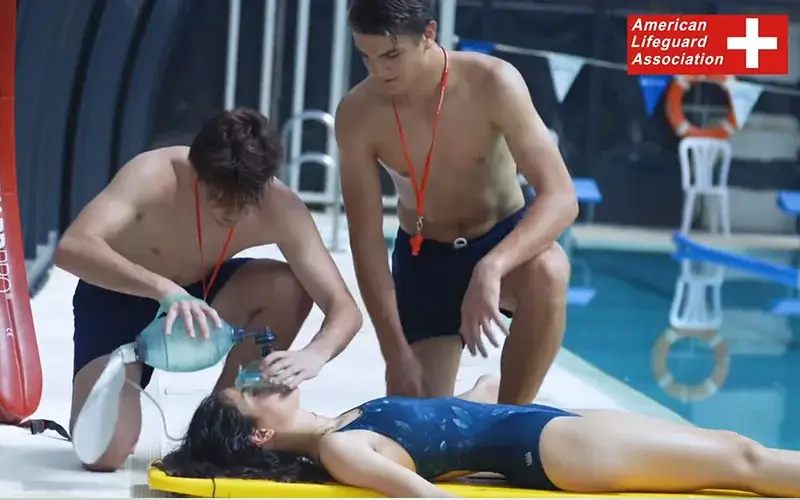
The ALA’s lifeguard certification program equips participants with a wide range of skills, including:
Swimming and Rescue Skills
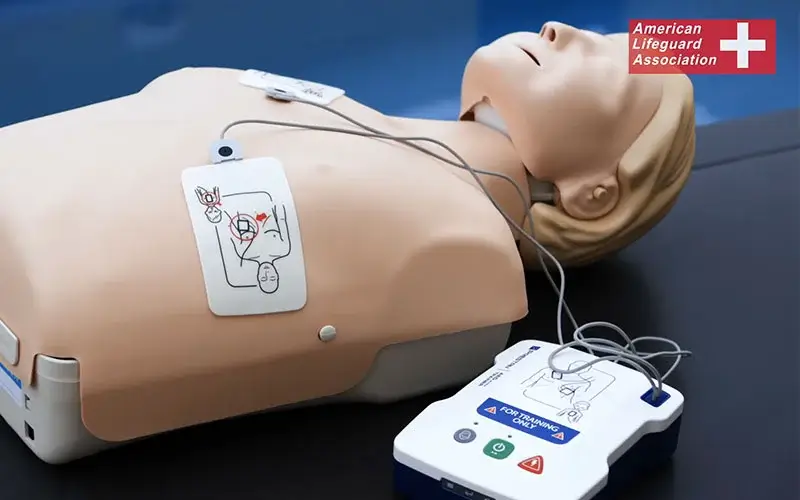
CPR/AED and First Aid
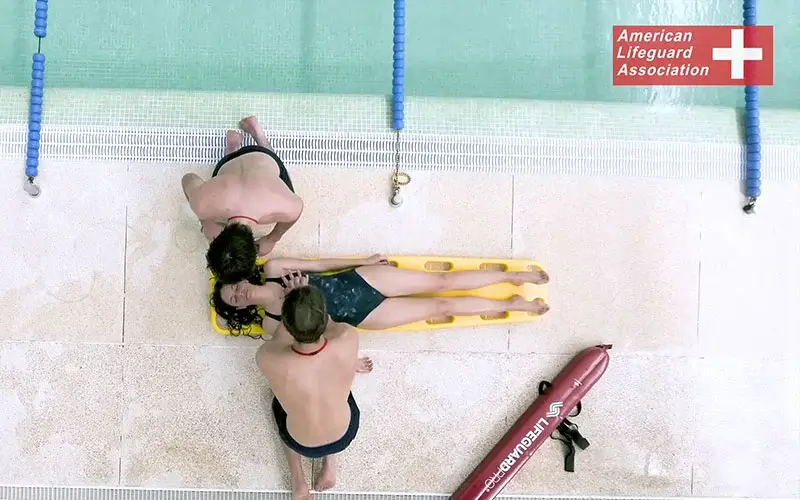
Head, Neck, and Spinal Injury Management
Employer Responsibility and Ongoing Training
It is imperative for employers to conduct pre-service evaluations and ongoing in-service training to maintain lifeguards’ readiness. These evaluations are a critical part of the hiring process and ensure compliance with CDC Model Aquatic Health Code (MAHC) requirements .
Employers must:
This collaborative approach enhances safety and ensures lifeguards are fully prepared to handle emergencies.
Recognized Excellence in Lifeguard Training
The ALA’s program is among the most respected in the industry, with certifications recognized nationwide. The organization’s commitment to excellence has earned it a place on the organization CDC Healthy Swimming website over the years and acknowledgment from federal agencies such as the US Department of Labor.
Additionally, the ALA has partnered with Swimming Pool and Spa Foundation a nonprofit 501(c)3 organization along with Global Lifeguards to promote aquatic safety on a national and global scale. These partnerships further enhance the credibility and reach of the ALA’s training programs.
Flexible and Accessible Lifeguard Certification with the ALA
The American Lifeguard Association (ALA) understands the diverse needs of its participants and has designed its lifeguard certification program to offer unmatched flexibility. Featuring a comprehensive video instructor-led course and a blended learning format, this program enables individuals to complete their training from virtually anywhere. Participants no longer need to wait for a group class to start, making the certification process more convenient and efficient.
This flexibility is especially advantageous for those balancing multiple commitments, such as work, school, or family responsibilities. Participants can progress through the online theoretical components at their own pace, ensuring a stress-free learning experience. For employers, this adaptability allows the creation of training schedules that align seamlessly with operational requirements, minimizing disruption to day-to-day activities.
In addition to the convenience of the online portion, the ALA’s program helps ensures that participants are prepared for their roles as lifeguards through hands-on, in-water evaluations conducted by employers. This approach adheres to the CDC Model Aquatic Health Code (MAHC), guaranteeing that lifeguards are trained to the highest standards.
Whether you’re starting your lifeguarding career or an employer seeking an efficient training solution, the ALA’s program provides the tools and flexibility needed to succeed. Take the first step toward certification today!
Lifeguarding as a Career
Lifeguarding is far more than just a job—it’s a crucial responsibility that directly impacts public safety. Lifeguards are the first line of defense in preventing aquatic emergencies, ensuring that everyone can enjoy water activities safely. Their presence offers reassurance to swimmers and visitors alike, creating an atmosphere of trust and security in aquatic environments.
Lifeguards also gain skills that extend well beyond the pool or beach. Leadership is one of the most significant attributes lifeguards develop. They are trained to take charge in high-pressure situations, make quick decisions, and guide others during emergencies. This ability to stay calm under pressure is invaluable, not just in lifeguarding but in any professional setting.
Communication is another key skill honed through lifeguarding. Lifeguards regularly interact with the public, providing safety instructions, enforcing rules, and responding to concerns. This experience teaches them how to communicate effectively with people of all ages and backgrounds—a skill that is beneficial in nearly every career field.
Critical thinking is also central to a lifeguard’s duties. Assessing risks, identifying potential hazards, and responding appropriately require sharp observational and analytical skills. Lifeguards learn to evaluate complex situations quickly and implement solutions, making them adaptable and resourceful.
Whether working at a community pool, a bustling water park, or along a scenic coastline, lifeguards contribute significantly to creating safe and enjoyable aquatic spaces. Their role is essential not only for preventing accidents but also for fostering a sense of community and well-being.
Ultimately, lifeguarding offers more than a paycheck—it’s an opportunity to build life-saving skills, grow as a leader, and make a meaningful impact on the safety and enjoyment of others.
Join the American Lifeguard Association: Your Path to Lifeguarding Excellence
The American Lifeguard Association (ALA) is dedicated to promoting safety and preventing aquatic emergencies by equipping individuals with the knowledge and skills necessary to excel as professional lifeguards. Through high-quality training programs that meet rigorous federal and national standards, the ALA prepares participants to respond confidently to a wide range of situations, ensuring the safety and well-being of swimmers and aquatic patrons.
The ALA’s lifeguard training program offers a flexible and comprehensive approach to certification. Using a blended learning model, participants complete theoretical components through video-led online training, which allows for study at their own pace. This is complemented by employer-led in-water evaluations and pre-service training, ensuring lifeguards are fully prepared for real-world responsibilities. Upon successful completion, participants receive a nationally recognized certification in lifeguarding, CPR/AED, and first aid, valid for two years.
As one of the select organizations recognized by the U.S. Department of Labor, the ALA ensures that its programs meet the highest standards in aquatic safety and training.
Take the first step toward a rewarding career in lifeguarding today. Visit the ALA website to explore training options, learn more about the program, and register for your certification journey. Your future as a lifesaver begins here!