
Lifeguard online training has become a vital component of modern certification programs, offering flexibility and convenience for participants balancing their schedules while pursuing lifeguard certification. The American Lifeguard Association (ALA) provides an innovative online training platform, allowing candidates to complete the theoretical portions of their training remotely. Our instructor-led video course allows individuals to become certified lifeguards through a blended learning environment, enabling you to train at your own pace and schedule. Upon completing the online segment, you will receive a two-year certification in lifeguarding, CPR/AED, and First Aid. Your certification records will be uploaded to the National Verification System, accessible by employers and health departments for verification.
Our program follows a blended learning model, providing essential theoretical knowledge online while emphasizing the importance of practical in-water skills for lifeguarding competency. Employers are required to conduct pre-service and in-service training evaluations, as mandated by the new national standards established under the CDC Model Aquatic Health Code (MAHC). Our program is designed to enable employers to perform these evaluations, ensuring that your skills are validated in real-world aquatic environments and meet industry requirements.
The ALA’s online lifeguard training covers vital aspects of lifeguarding, including CPR/AED training and First Aid, which are integral components of any lifeguard certification program. The online format ensures that candidates are well-prepared for both the physical and theoretical demands of the job, equipping them with the necessary knowledge to respond effectively to emergencies.
Importance of Online Lifeguard Training
Online lifeguard training provides significant advantages for both trainees and employers. In today’s fast-paced world, the ability to complete courses online allows for greater flexibility, making lifeguard certification more accessible to individuals who may have scheduling conflicts or other commitments. By utilizing ALA’s online platform, candidates can learn at their own pace, reviewing materials as needed and ensuring they understand the theoretical foundations of lifeguarding before advancing to the hands-on portion of the training.
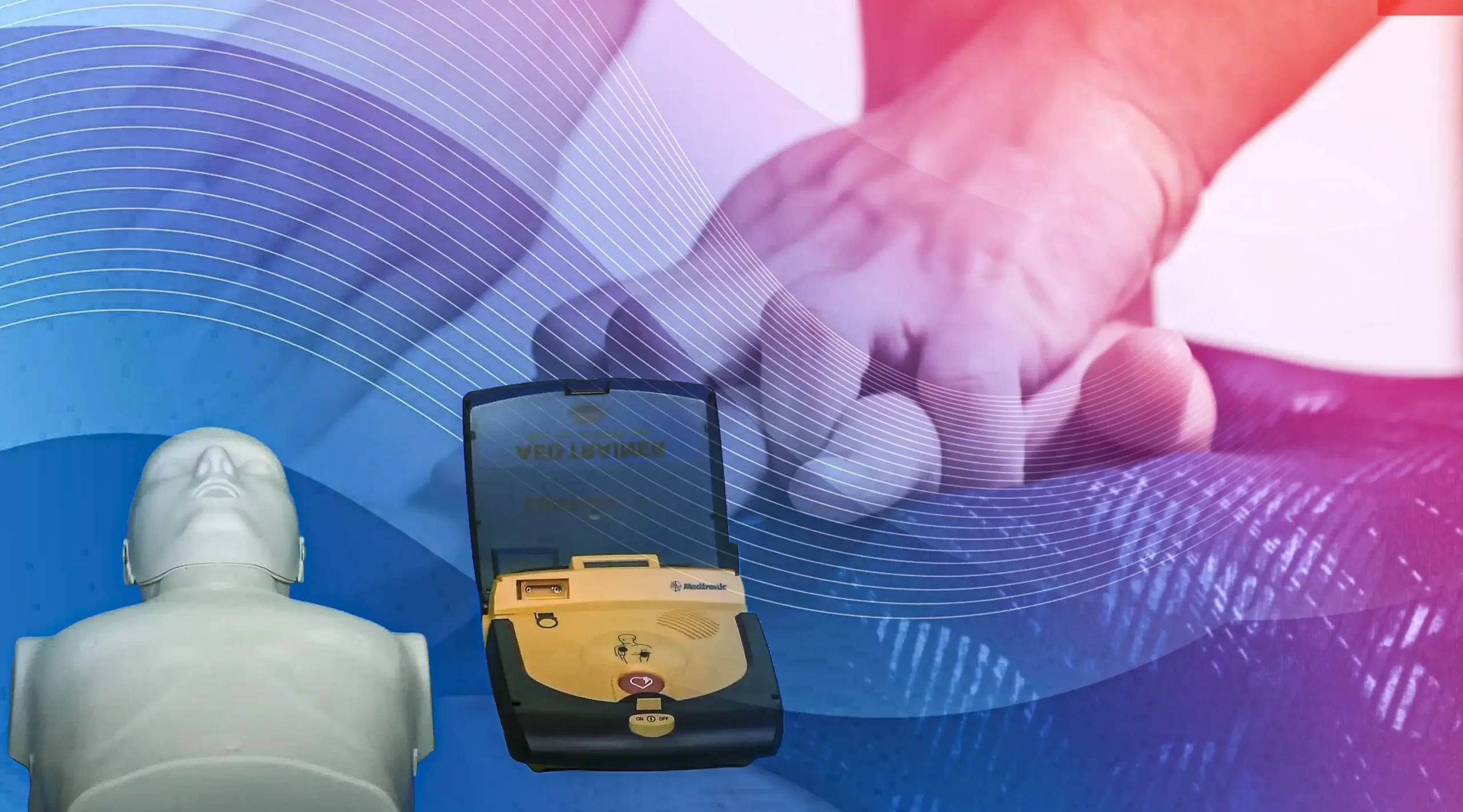
Additionally, the ALA’s online lifeguard training includes comprehensive CPR and AED training, which is vital for ensuring that lifeguards are ready to respond to cardiac and respiratory emergencies. CPR training is a critical part of lifeguarding, and the online platform provides detailed instructional videos, quizzes, and resources to ensure that participants are fully prepared to perform CPR and use an AED when necessary.
Prerequisites for Lifeguard Online Training
Before enrolling in the ALA’s lifeguard online training, participants must meet certain prerequisites to ensure they are ready to handle both the online and in-person components of the program. These include:
Meeting these prerequisites ensures that participants are fully prepared to handle the physical and mental demands of lifeguarding once they complete the online and in-person components of the course.
Course Structure and Content
The ALA’s online lifeguard training program is designed to provide participants with the flexibility to complete their coursework remotely, covering all essential lifeguarding topics. The course includes both theoretical lessons and hands-on assessments that must be completed in person. The online portion of the course covers the following key topics:
Blended Learning: Combining Online and In-Person Training
The ALA’s lifeguard online training program follows a blended learning model, meaning that participants complete the theoretical portions of the course online while attending in-person sessions for hands-on assessments. This model is designed to offer the best of both worlds: the flexibility of online learning and the practical experience of in-person training.
Participants can review the online materials at their own pace, taking the time they need to fully understand the content. Once they have completed the online portion of the course, they must attend a scheduled in-person session to demonstrate their skills in water rescues, CPR, and AED use. This approach ensures that lifeguards are both knowledgeable and proficient in all areas of lifeguarding.
Certifications Earned
Upon successful completion of both the online and in-person portions of the lifeguard training, participants will earn the following certifications:
These certifications are valid for two years and meet national safety standards, ensuring that lifeguards are fully prepared to work in a variety of aquatic environments. The certifications earned through the ALA are widely recognized and make participants eligible for lifeguarding positions across the country.
Skills Taught in Lifeguard Online Training
The ALA’s lifeguard online training program covers a wide range of essential skills, including:
Benefits of Lifeguard Online Training
There are several benefits to completing lifeguard training through the ALA’s online platform:
Conclusion
The American Lifeguard Association’s lifeguard online training program is a flexible and convenient way to earn lifeguard certification. By combining online coursework with in-person assessments, participants can balance their training with other commitments while still receiving a comprehensive education in lifeguarding. The program covers essential skills such as CPR, AED use, First Aid, and water rescue techniques, ensuring that lifeguards are well-prepared to respond to emergencies in aquatic environments.
Whether you’re looking for lifeguard classes near me or prefer the convenience of lifeguard online classes, the ALA’s program provides the training you need to become a certified lifeguard. With accessible online resources and nationally recognized certifications, the ALA makes it easier than ever to start your journey toward becoming a lifeguard.