
Shallow Water Lifeguard Training: A Vital Step for Aquatic Safety
Shallow water lifeguards respond to aquatic emergencies in shallow water up to 5 feet deep. The course is designed for participants that wish to lifeguard at aquatic facilities with a maximum water depth of 5 feet or less. To register, participants must be 15 years of age or older and can perform the following skills.
The Importance of Shallow Water Lifeguard Training
While shallow water may appear safer than deeper pools or open water, it presents unique risks. Common injuries in shallow water can include slips, trips, minor cuts, abrasions, and even drowning incidents that require immediate attention. Lifeguards working in shallow water environments are responsible for maintaining a safe and secure environment for swimmers, particularly young children and inexperienced swimmers.
The key reasons why shallow water lifeguard training is vital include:
A Step-by-Step Guide to Completing the American Lifeguard Association Program
The American Lifeguard Association (ALA) offers a comprehensive training program designed to teach candidates the necessary skills to become effective lifeguards. The program covers not only shallow water lifeguarding but also includes CPR/AED for the Professional Rescuer and First Aid certification.
Here’s a breakdown of the training process:
Upon registering for the ALA program, you will be provided access to a range of online resources, including training videos and manuals. The training material includes years of research and development, ensuring that it meets the latest standards for aquatic safety. These materials will teach you essential skills in CPR/AED, First Aid, and lifeguarding techniques. You must review these materials thoroughly to become familiar with the skills and techniques demonstrated.
Once you’ve reviewed the training videos and materials, you will need to complete an online exam. The exam assesses your understanding of the skills covered in the program. You must achieve a score of at least 80% to pass. There is no time limit for the exam, and you can retake it until you pass without any additional fees. After passing, you will receive a detailed report that includes your exam score and the correct answers to any questions you answered incorrectly.
Once you have successfully completed the final exam, your certification will be processed. You will receive confirmation of your success via email, and your records will be entered into the national verification system, ensuring that your certification is accessible to employers and health departments. You will receive a waterproof, wallet-sized certification card confirming your Shallow Water Lifeguard certification, along with your CPR/AED and First Aid qualifications.
Our program uses a blended learning model, covering essential theoretical knowledge online, while practical in-water skills are critical for lifeguarding competency. Employers are required to conduct pre-service and in-service training evaluations in accordance with CDC Model Aquatic Health Code (MAHC) standards to ensure proficiency in actual aquatic environments. The certification is valid for two years from the completion date, and it is nationally recognized, providing you with the credentials necessary to work as a lifeguard in various settings.
Key Skills Covered in Shallow Water Lifeguard Training
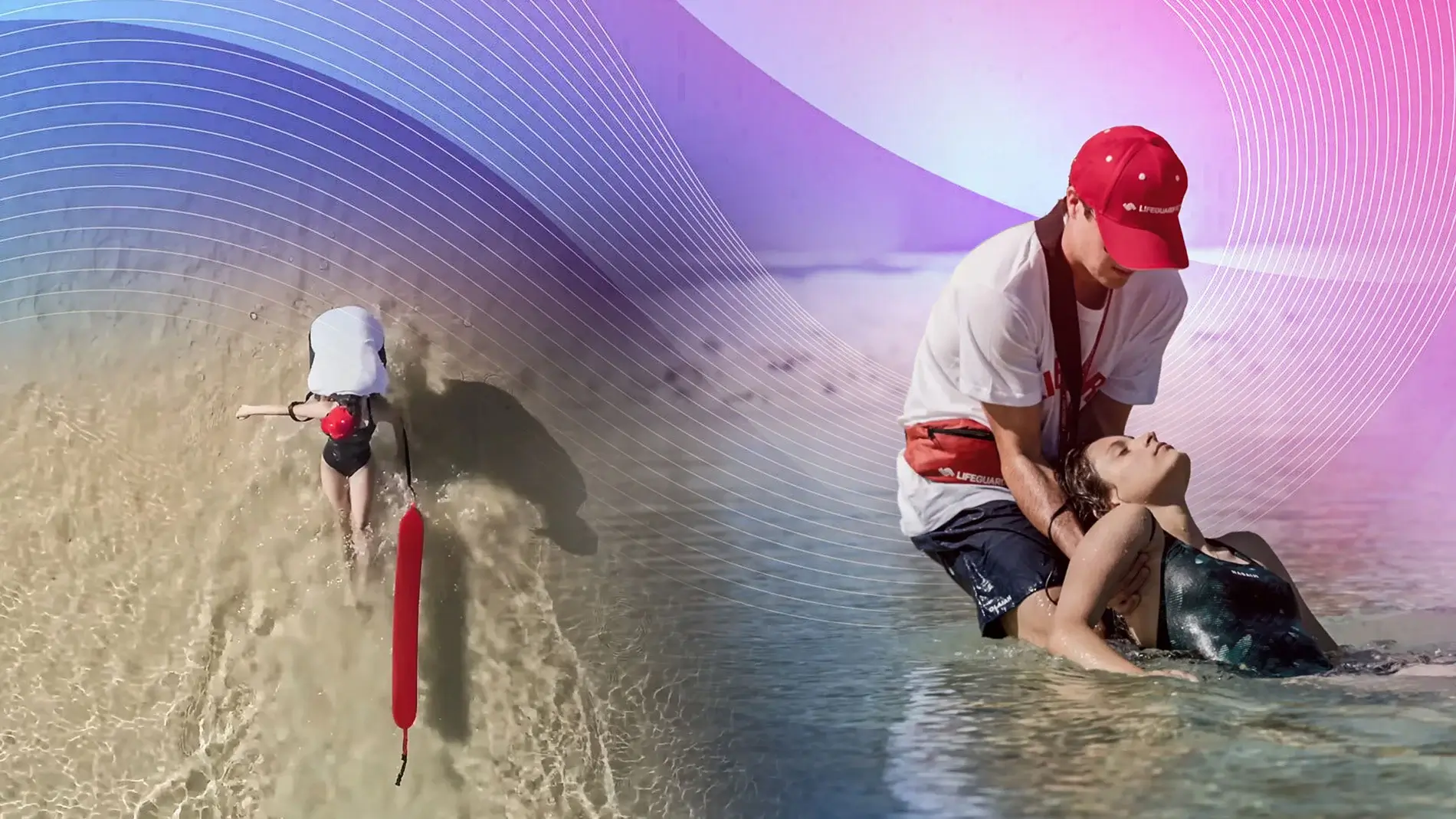
The ALA Shallow Water Lifeguard program covers a wide range of skills to ensure that lifeguards are prepared to handle emergencies in shallow water. These skills include swimming techniques, rescue techniques, first aid, CPR/AED, and injury prevention strategies. Let’s dive deeper into these core areas:
A key component of lifeguard training is ensuring that candidates are proficient swimmers. The ALA Shallow Water Lifeguard certification includes the following swimming tests:
These skills ensure that lifeguards can perform rescues and respond to emergencies quickly and effectively.
In shallow water environments, lifeguards must be trained to handle a variety of rescue scenarios. ALA’s program teaches several important rescue techniques, including:
Lifeguards must be trained to handle a range of medical emergencies, from minor injuries to life-threatening conditions. ALA’s program includes certifications in:
Shallow water lifeguards play an essential role in preventing accidents before they occur. The ALA program emphasizes the importance of:
Benefits of ALA Shallow Water Lifeguard Certification
The ALA certification comes with several advantages, including:
Conclusion
Shallow water lifeguard training is a crucial step in ensuring the safety of swimmers in environments where the water depth is minimal. The American Lifeguard Association’s program offers a comprehensive, self-paced certification course that provides lifeguards with the knowledge and skills they need to prevent and respond to aquatic emergencies. By offering flexible learning options, national recognition, and ongoing support, ALA helps ensure that lifeguards are well-prepared to keep swimmers safe in shallow water environments.