
Water safety is a critical aspect of aquatic environments, ensuring that both swimmers and lifeguards are prepared to handle emergencies. As part of its comprehensive lifeguard programs, the American Lifeguard Association (ALA) integrates safety training with CPR training and other essential lifesaving skills. The ALA’s courses teach both lifeguards and recreational swimmers about water hazards, safety protocols, and emergency response procedures. By combining these key elements, the ALA ensures its trainees are fully prepared to prevent and manage incidents in any aquatic setting.
The Importance of Water Safety Training
Understanding how to stay safe in and around water is essential for both lifeguards and the general public. According to the World Health Organization, drowning remains one of the leading causes of unintentional injury deaths worldwide, emphasizing the need for proper training.
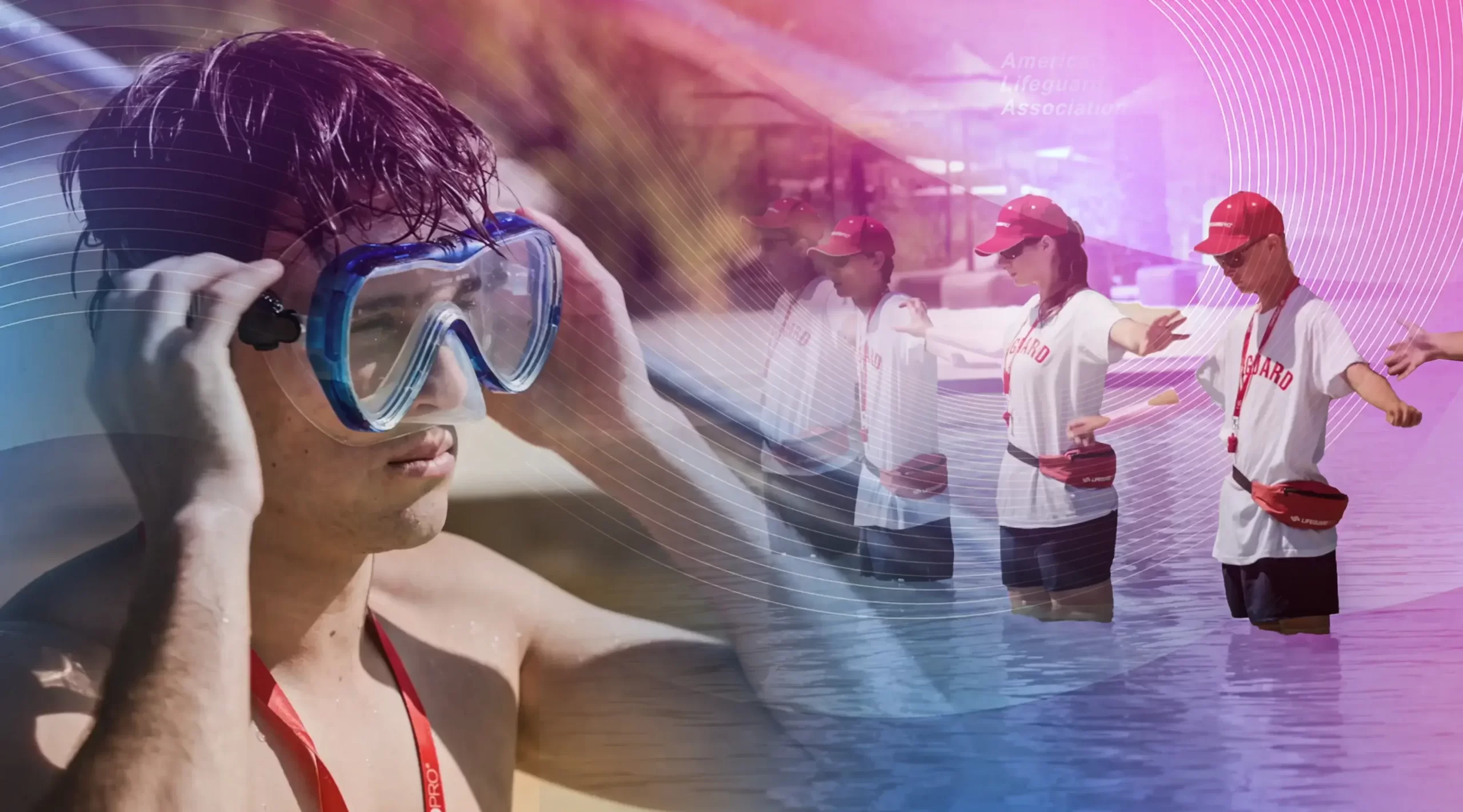
Lifeguards act as the first line of defense against aquatic accidents. Their preparedness is critical, as they must be able to recognize potential hazards, respond efficiently to emergencies, and implement preventive measures. Beyond just rescuing those in immediate danger, lifeguards are trained to assess risks, enforce safety rules, and maintain a controlled swimming environment.
In many emergency situations, immediate medical attention is necessary. That’s why lifeguard training programs combine training with CPR and First Aid certification to ensure that responders are equipped to handle near-drownings, slips and falls, and other aquatic incidents.
Key Components of Water Safety Training
The ALA’s training programs focus on several essential components to provide a comprehensive approach to preventing and responding to emergencies:
ALA’s Commitment to Advancing Water Safety
The American Lifeguard Association is dedicated to enhancing lifeguard preparedness by supporting the latest innovations in lifesaving equipment.
Our national spokesperson, Wyatt Werneth, has been featured in numerous news articles, discussing advancements in rescue technology, such as the new rescue tube design and a recently USCG-approved ring buoy. These innovations improve the efficiency and accuracy of water rescues.
Beyond equipment, ALA supports the integration of AI, drones, and surveillance technology in lifeguard operations, ensuring faster response times and improved situational awareness.
Why Lifeguard Training is Essential
Lifeguard education is more than just learning rescue skills—it’s about creating a safe, controlled environment that prevents emergencies before they happen. Whether working at a pool, water park, resort, or beach, lifeguards must be prepared for any situation.
By enrolling in an ALA training program, participants receive comprehensive instruction that equips them with the knowledge and skills needed to protect lives. The ALA continues to lead the way in lifeguard certification, emergency preparedness, and public safety advocacy.
For more information on training opportunities, visit the ALA website and explore both in-person and online courses designed to accommodate different learning preferences.
Conclusion
Lifeguard training is a vital part of public safety, providing the skills and knowledge necessary to protect swimmers and respond to emergencies. By combining water safety training with CPR and First Aid certification, the American Lifeguard Association ensures lifeguards are fully prepared for real-world rescue scenarios.
Whether working at a pool, water park, or open water setting, lifeguards play a crucial role in preventing accidents and saving lives. The ALA remains committed to equipping lifeguards with the best training and latest innovations in the field.